Battle Born Injury Lawyers | September 16, 2025 | Motorcycle Accidents in Las Vegas

Motorcycle culture is growing rapidly in Nevada and across the United States, with more riders taking to the open road each year. Along with this growth comes increased attention on road safety and motorcycle laws. One of the most commonly misunderstood practices is lane splitting.
In this article, our motorcycle accident lawyers explain what lane splitting is, how it differs from similar practices like lane sharing, and whether it is legal in Nevada. We’ll also look at the potential risks of lane splitting, how it impacts both motorcyclists and drivers, and what riders should know to stay safe and compliant with state law.
Defining Lane Splitting
Lane splitting occurs when a motorcycle rider drives between two lanes of slower-moving or stopped traffic. For example, imagine you are stuck in traffic on the I-15 near Las Vegas. While cars remain bumper-to-bumper, a motorcyclist weaves between the lanes to move ahead. This maneuver is known as lane splitting.
Some riders argue that lane splitting helps reduce congestion and lowers the risk of being rear-ended in heavy traffic. However, many drivers see it as dangerous or aggressive. This difference in perception often leads to disputes after an accident involving a motorcycle.
Is Lane Splitting Legal in Nevada?
Currently, lane splitting is not legal in Nevada. Motorcyclists are entitled to the full use of a lane, and no vehicle may deprive them of that right. The statute also makes clear that riding between rows of vehicles is not allowed.
In other words, while motorcyclists may share a lane side-by-side with another rider (a practice called lane sharing), they cannot ride between cars in the same lane. If a crash occurs while a rider is lane splitting, that fact may significantly affect fault and liability determinations.
Why Lane Splitting is Controversial
The controversy surrounding lane splitting stems from competing safety concerns.
Advocates argue that it:
- Reduces rear-end collisions in stop-and-go traffic.
- Helps motorcycles move more efficiently, easing overall traffic flow.
- Minimizes overheating risks for motorcycles in hot climates like Nevada.
On the other hand, critics point out that:
- Drivers may not anticipate motorcycles passing between lanes.
- Lane splitting reduces reaction time for both drivers and riders.
- The practice can increase sideswipe accidents.
These conflicting viewpoints are why some states, such as California, have legalized lane splitting under regulated conditions, while Nevada maintains its prohibition.
Lane Splitting and Accident Liability
If you’re involved in a motorcycle accident in Nevada and lane splitting played a role, the issue of liability can become complex. Nevada follows a modified comparative negligence system. This means that an injured party can still recover damages as long as they are not more than 50% at fault for the accident.
For example, if a motorcyclist was lane splitting illegally and struck a car changing lanes, a court or insurance adjuster might assign part of the fault to both the rider and the driver. The rider’s recovery would then be reduced by their percentage of fault. If the rider was deemed more than 50% at fault, they would not be entitled to recover damages at all.
Safety Tips for Motorcyclists
Even though lane splitting is prohibited, motorcyclists can take steps to reduce risks and stay safe on Nevada roads:
- Always wear protective gear, including a helmet, gloves, and reflective clothing.
- Keep a safe following distance, especially in heavy traffic.
- Avoid weaving or sudden lane changes that may surprise drivers.
- Use signals and make your presence known when changing lanes.
- Ride defensively—assume drivers may not see you.
These precautions can help prevent accidents and also strengthen your case if you are injured and need to pursue compensation.
What to Do After a Motorcycle Accident
If you’re involved in a motorcycle crash in Nevada, take the following steps:
- Seek medical attention immediately – Even minor accidents can cause hidden injuries.
- Call law enforcement – A police report provides important documentation of the incident.
- Gather evidence – Take photos of the accident scene, vehicle damage, and your injuries.
- Collect witness information – Statements from neutral parties can help establish fault.
- Contact a personal injury attorney – An experienced lawyer can help navigate Nevada’s motorcycle laws, deal with insurers, and protect your rights.
These steps can help protect your rights immediately after an accident.
Contact Battle Born Injury Lawyers for a Free Consultation
Lane splitting is a hot topic among motorcyclists, but in Nevada, the law is clear: it is not permitted. Understanding the distinction between legal lane sharing and illegal lane splitting is critical if you ride in Nevada.
If you’ve been injured in an accident, or if you need more information on lane splitting, contact Battle Born Injury Lawyers for a free consultation.
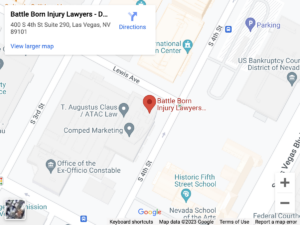
Battle Born Injury Lawyers – Downtown Las Vegas Office
400 S 4th St Suite 290,
Las Vegas, NV 89101
(702) 703-6102
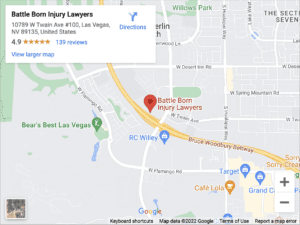
Battle Born Injury Lawyers – Las Vegas Office
10789 W Twain Ave #100
Las Vegas, NV 89135
(702) 297-7164
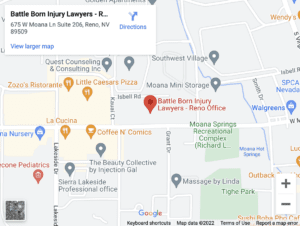
Battle Born Injury Lawyers – Reno Office
675 W Moana Ln #206
Reno, NV 89509, USA
(775) 252-4219
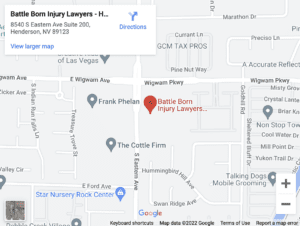
Battle Born Injury Lawyers – Henderson Office
8540 S Eastern Ave #200
Henderson, NV 89123
(702) 723-7095