Battle Born Injury Lawyers | September 12, 2025 | Motorcycle Accidents in Las Vegas, Nevada Law
For many riders, motorcycles symbolize freedom and adventure, but when it comes to carrying children as passengers, the stakes are even higher. Parents and guardians often wonder whether it is legal or even safe for a child to ride on the back of a motorcycle. The laws vary by state, and in Nevada, specific regulations govern when a child may legally ride as a passenger.
Understanding these rules and their safety implications can help protect young riders and reduce the risk of severe injuries in a motorcycle accident.
Keep reading to learn more.
Nevada Law on Children Riding Motorcycles
In Nevada, the law is clear. According to Nevada Revised Statutes (NRS) § 486.181, motorcycle operators may carry a passenger only if the motorcycle is equipped with a proper seat and footrests. More importantly for parents, Nevada law requires that passengers be tall enough to firmly place their feet on the passenger footrests while the motorcycle is in motion. This means Nevada does not set a specific minimum age for child passengers but focuses on physical readiness and safety requirements.
Additionally, under NRS § 486.231, all riders, including children, are required to wear a helmet that meets U.S. Department of Transportation (DOT) standards. This regulation is designed to reduce the likelihood of traumatic brain injuries, which are among the most common and severe outcomes of motorcycle accidents.
Safety Risks for Children on Motorcycles
While Nevada law emphasizes footrest requirements rather than age limits, parents must carefully evaluate whether a child is truly ready to ride. The physical and developmental differences between children and adults create unique risks:
- Balance and Stability: Young children may not have the core strength to remain steady during turns, acceleration, or sudden stops.
- Protective Gear Fit: Helmets, jackets, and gloves must fit properly to be effective. Ill-fitting gear leaves children more vulnerable to injury.
- Height and Weight: Children who are too small may fail to reach the footrests and lack the weight needed to stay securely seated.
These safety concerns highlight why, even if a child technically meets Nevada’s legal requirements, allowing them to ride may still be unsafe.
Common Injuries in Motorcycle Accidents Involving Children
Motorcycle accidents can result in devastating injuries for any rider, but children are at even greater risk because of their smaller size and fragility. Common injuries include:
- Traumatic Brain Injuries (TBIs): Even with helmets, children are more prone to head injuries.
- Spinal Cord Injuries: A sudden impact can cause long-term paralysis or disability.
- Broken Bones: Children’s bones are more delicate, making fractures more likely in accidents.
- Internal Injuries: The lack of physical protection on motorcycles increases the risk of organ damage.
These types of injuries often lead to long hospital stays, costly medical bills, and ongoing rehabilitation needs. Families dealing with such hardships may be entitled to pursue a personal injury claim to recover damages.
Legal Liability and Parental Responsibility
If a child passenger is injured in a motorcycle accident, liability can be complex. The injured child may have a claim against negligent drivers who caused the accident. However, in some cases, questions arise about whether the adult motorcycle operator acted responsibly in carrying a child who may not have been physically ready to ride.
Nevada law recognizes that operators have a duty of care to their passengers. If a motorcycle operator violates traffic rules, fails to provide proper protective gear, or allows a child who clearly cannot reach the footrests to ride, this could potentially factor into a personal injury case.
Steps Parents Can Take to Protect Their Children
Parents who are considering allowing a child to ride on a motorcycle should take the following steps:
- Check Readiness: Ensure the child can firmly reach the footrests and hold on securely.
- Invest in Safety Gear: Purchase a properly fitted DOT-approved helmet, jacket, gloves, and boots.
- Choose Short, Low-Speed Routes: Avoid highways and long trips when first introducing a child to motorcycle riding.
- Educate Your Child: Teach your child how to sit still, hold on, and lean properly on the motorcycle.
By taking these precautions, parents reduce the risk of serious injury while also remaining compliant with Nevada’s laws.
Contact Battle Born Injury Lawyers for a Free Consultation With a Reno Motorcycle Accident Lawyer
If your child was injured in a motorcycle accident—or if you have questions about Nevada’s laws on child passengers—Battle Born Injury Lawyers is here to help. Our team can explain your legal options and help you protect your rights after a crash.
Call today to schedule your free consultation with a Reno motorcycle accident attorney.
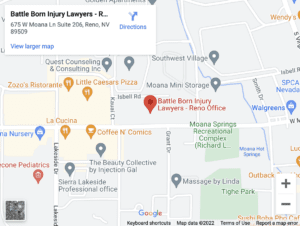
Battle Born Injury Lawyers – Reno Office
675 W Moana Ln #206
Reno, NV 89509, USA
(775) 252-4219
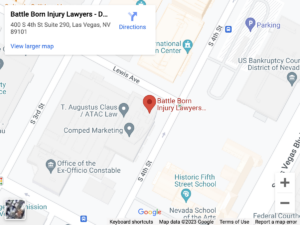
Battle Born Injury Lawyers
400 S 4th St Suite 290,
Las Vegas, NV 89101
(702) 703-6102
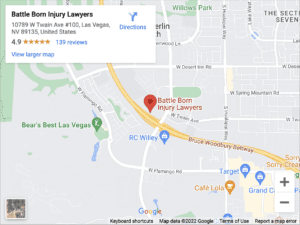
Battle Born Injury Lawyers – Las Vegas Office
10789 W Twain Ave #100
Las Vegas, NV 89135
(702) 297-7164
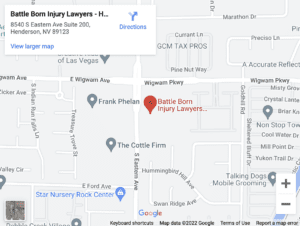
Battle Born Injury Lawyers – Henderson Office
8540 S Eastern Ave #200
Henderson, NV 89123
(702) 723-7095