

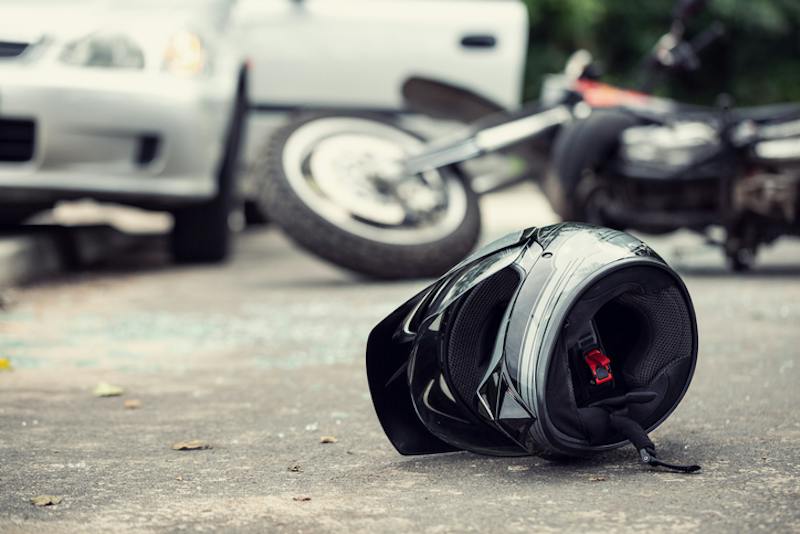
A motorcycle accident settlement in Nevada is compensation paid to an injured rider to cover the losses resulting from a crash. That includes medical bills, lost income, property damage, and pain and suffering. There is no fixed dollar amount associated with any type of crash.
Value depends on the severity of the injuries, who caused the wreck, and how much insurance coverage is available to pay the claim. Battle Born Injury Lawyers has recovered more than $100 million for injured Nevadans, with attorneys who bring more than 85 years of combined experience to a case. Several of our attorneys built their early careers defending insurance companies before shifting to advocate for injury victims, and they have also served in the Nevada State Legislature, writing laws that protect accident victims.
This article breaks down the factors that drive settlement value in Nevada, how comparative fault and insurance limits affect what a rider can recover, and how pain and suffering gets calculated.
What Is the Average Motorcycle Accident Settlement in Nevada?
There is no verified, publicly reported average settlement figure for Nevada motorcycle accident claims. Treat any number quoted as a flat average with caution. Settlement amounts range from a few thousand dollars for a minor soft-tissue injury to several million dollars for a catastrophic one, which makes a single average figure unreliable.
Riders in Nevada faced real exposure to that risk in 2024:
- Motorcyclists made up 19.8% of the state's 419 traffic fatalities that year, up from 16.0% in 2023, according to the Zero Fatalities Nevada state fatality report
- Nationally, the National Highway Traffic Safety Administration reports a motorcyclist fatality rate of 28.00 per 100 million vehicle miles traveled, compared with 1.05 for passenger car occupants, nearly 27 times higher
Rather than asking what the "average" settlement is, a more useful question is what specific factors push a case toward the low end or the high end of that range.
What Factors Affect the Value of a Motorcycle Accident Claim?
- Severity and permanence of the injury: Fractures, road rash, and soft-tissue injuries generally settle lower than traumatic brain injuries, spinal cord damage, or amputations.
- Clarity of liability: A claim backed by a police report, witness statements, or video tends to resolve faster and for more than a disputed liability case.
- Available insurance coverage: Nevada requires drivers to carry at least $25,000 in bodily injury coverage per person and $50,000 per accident under NRS 485.3091. A claim cannot exceed what is actually available unless other coverage applies.
- Lost income and future earning capacity: A rider sidelined from a physically demanding job often has a stronger wage-loss claim than someone able to return to desk work quickly.
- Property damage: Repair or replacement cost for the motorcycle and gear factors into the total recovery.
- Pain and suffering: This is often the largest single component in a serious injury claim, and it is covered in more detail below.
How Do Injuries Change What Your Case Is Worth?
Injury type and severity usually drive settlement value more than any other factor.
Motorcyclists lack the physical protection of a vehicle frame, seatbelt, or airbags, and national injury data reflects that gap: an estimated 86,887 motorcyclists were injured nationwide in 2024, a 5.2% increase from 2023, according to NHTSA.
Common motorcycle injuries include:
- Road rash
- Fractures to the legs and arms
- Traumatic brain injury
- Spinal cord damage
Catastrophic injuries that require ongoing care, assistive devices, or permanent lifestyle changes carry higher settlement values, since they generate larger past and future medical costs and a stronger pain-and-suffering component. A mild soft-tissue injury that resolves within weeks will typically settle lower than a permanent disability resulting from the same type of crash.
How Does Nevada's Comparative Fault Rule Affect Your Settlement?
Nevada follows a modified comparative negligence rule under NRS 41.141. A rider can still recover compensation as long as their own negligence was not greater than the negligence of the party or parties they are suing. If a rider is found 20% at fault for a crash, their settlement is reduced by 20%. Once a rider's fault exceeds the other party's, Nevada law bars recovery entirely.
This rule makes the fault investigation central to settlement value. Insurance adjusters routinely try to shift a larger share of the fault onto the rider, since each percentage point reduces the payout. Thorough documentation, from the police report to independent witness statements, keeps an adjuster's fault allocation honest.
What If the Driver's Insurance Isn't Enough to Cover Your Losses?
Nevada's minimum insurance requirements are often too low to cover a serious motorcycle injury. When the at-fault driver's policy limits run out before a rider's losses do, additional sources of recovery deserve a look:
- Underinsured motorist (UIM) coverage, which is required of Nevada insurers under NRS 687B.145, allows an insured to recover the difference between the at-fault driver's limits and the insured's actual damages, up to the policy limits.
- Uninsured motorist (UM) coverage, for crashes involving a driver with no insurance at all or a hit-and-run.
- Umbrella or excess policies the at-fault driver may carry beyond the state minimum.
- Third-party liability, where another party, such as a government entity responsible for a road hazard, shares responsibility for the crash.
How Are Pain and Suffering Calculated for Motorcycle Riders?
Nevada has no fixed formula or cap on pain-and-suffering damages in a standard motorcycle injury case. These damages instead reflect how the injury affects a rider's daily life, including:
- Physical pain
- Emotional distress
- Loss of enjoyment of activities
- Length of recovery
Insurers and attorneys commonly use a multiplier method, applying a factor to the total medical expenses based on injury severity. The final number in any individual case still depends on the specific facts and evidence presented.
Why Nevada Riders Trust Battle Born Injury Lawyers
Battle Born Injury Lawyers has built its reputation on direct attorney involvement in every case, not case managers or call centers. The firm holds an AV Preeminent rating, has been recognized as the Nevada Justice Association's Consumer Advocate of the Year, and carries Super Lawyers recognition along with more than 400 five-star client reviews.
Clients work with the same attorney from the first call through resolution, with 24/7 availability and offices in Las Vegas, Henderson, and Reno. If you were injured in a motorcycle crash in Nevada, contact Battle Born Injury Lawyers today for a free case evaluation and a clear explanation of your options.
Frequently Asked Questions
Do most motorcycle accident claims in Nevada settle out of court?
Many personal injury claims resolve through negotiation before trial, though the right path depends on how the insurance company responds and whether liability or damages remain disputed.
How long does it take to get a motorcycle accident settlement in Nevada?
Timelines vary based on the complexity of the injury, how quickly medical treatment concludes, and whether the insurer disputes liability. Straightforward claims can resolve in months, while cases requiring litigation take longer.
Is there a cap on damages in a Nevada motorcycle accident case?
Nevada does not cap compensatory damages in a standard motorcycle crash claim the way it does in certain medical malpractice cases.
Do I need a lawyer to negotiate my settlement?
Nevada law does not require a rider to hire an attorney to file a claim. Insurance adjusters are trained to minimize payouts, though, and an attorney with insurance defense experience can help ensure a settlement reflects the full value of a claim.
Disclaimer: This content is for informational purposes only and does not constitute legal advice. Every case is different and should be evaluated individually, as the law in this area is extremely nuanced. Past results do not guarantee future outcomes.
